Empowering Through Education: Revamping BRAC’s Microfinance Training Materials
Project Background
BRAC is an international development organization founded in Bangladesh in 1972 that partners with over 100 million people living with inequality and poverty globally to create sustainable opportunities to realize potential. BRAC’s community-led, holistic approach is reflected in its unique integrated development model, which brings together social development, social enterprises, and humanitarian response for lasting, systemic change.
Based on the work done by BRAC International and its partners in the space, It is estimated that only one-third of the global population is financially literate. The rates are even lower in emerging economies and especially among rural people. The barriers to full financial empowerment have to do with their lower economic and financial opportunities. Because of this lack of knowledge, these groups often face exclusion- they are unable to access banking and financial services. They are therefore kept out of financial markets and are likely to spend more on transaction fees, run up large debts, and incur higher interest rates on loans.
Project Background
While financial education alone cannot overcome all these barriers, it can help their well-being and widen their opportunities by improving their knowledge, attitudes, and skills. BRAC International sought a design agency/consultant to develop Financial, Digital Literacy, and Social Empowerment Training materials for microfinance group loan clients in the five countries (Tanzania, Uganda, Rwanda, Sierra Leone, and Liberia) where they operate.
Project Scope
- Conduct ethnography to understand the target users better, the environment in which they live, and the factors influencing their day-to-day lives.
- Design relatable illustrations based on ethnographic research.
- Conduct usability testing for the designed financial literacy curriculum.
The Process
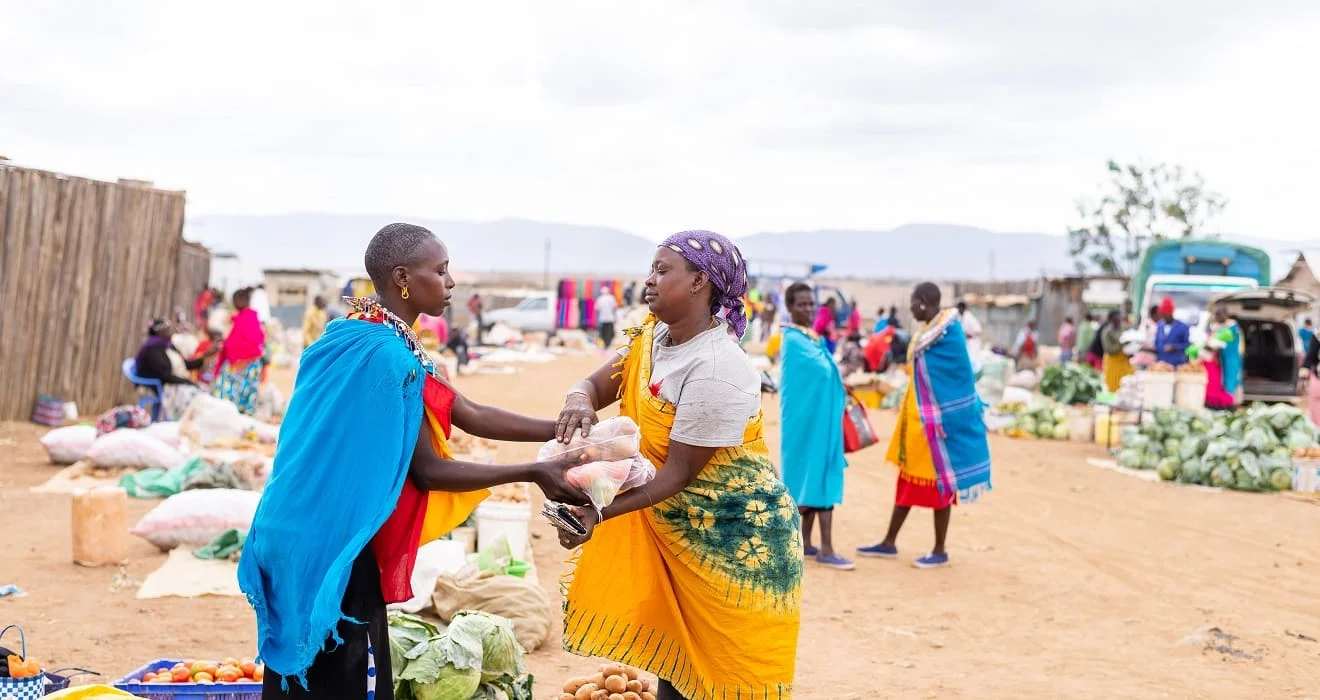
We visited the respective countries (Kenya, Rwanda, and Sierra Leone). We immersed ourselves in the target user environment to better understand their lifestyles and factors influencing their day-to-day activities.
Evaluated the user pain points, frustrations, constraints, goals, and aspirations and mapped that with the BRAC’s goals and objectives in the digital financial literacy curriculum.
Working with locals we identified insights that guided the development of illustrations that resonated with the target users.
We tested the redesigned curriculum with the target users.
Outcome
Re-designed financial literacy curriculum customized to the different countries based on the social, cultural, religious, literacy levels and other societal influences.